
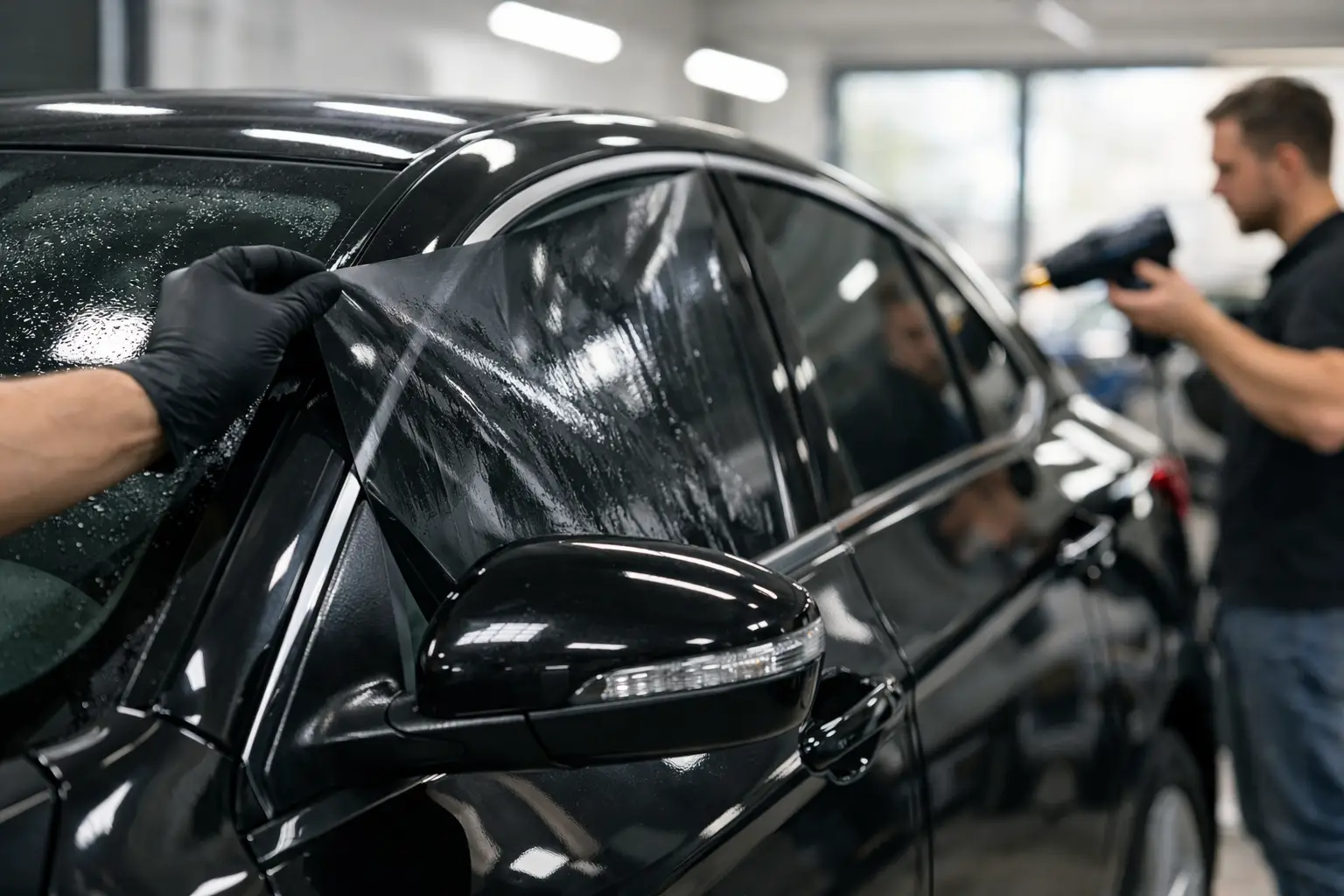
A parked car in Adelaide can turn uncomfortable quickly. By the time you get back from work, school drop-off or a weekend trip to the beach, the steering wheel is hot, the cabin feels stuffy and the sun is glaring straight through the glass. Adelaide nano ceramic tint is designed to make that daily drive more comfortable without relying on dark, reflective film or compromising the look of your vehicle.
It is a practical upgrade for commuters, families, tradies, rideshare drivers and anyone who spends regular time behind the wheel. But ceramic tint is not automatically the right choice for every vehicle or every budget. The best result comes down to the film quality, the shade you choose, the condition of the glass and a professional installation that suits South Australian requirements.
What nano ceramic tint actually does
Nano ceramic window film uses microscopic ceramic particles within the film to manage solar heat. Unlike older dyed films, it is built to reject more of the sun’s infrared heat while also reducing glare and blocking UV exposure. The result is a cabin that can feel noticeably easier to live with when the sun is doing its thing.
The key benefit is that heat rejection does not have to depend only on making the windows very dark. A lighter, legally suitable film can still provide strong heat performance, which matters for drivers who want a cleaner factory-style appearance or need good visibility at night.
Quality ceramic film also blocks the vast majority of harmful UV rays. That helps protect your skin during long drives and reduces fading or drying of leather, plastics, dash materials and interior trim over time. It will not stop every bit of heat from entering the car, especially through the windscreen and large glass areas, but it can reduce the harshness of the cabin significantly.
Why Adelaide drivers choose nano ceramic tint
Adelaide weather gives vehicle interiors a hard time. Summer heat, bright clear days and long periods parked outdoors all add up. Air conditioning has to work harder, rear passengers can feel the heat through side windows, and glare can make low-angle morning or afternoon sun more tiring.
Nano ceramic tint helps by reducing the amount of solar energy passing through the glass. Once the vehicle has been sitting in the sun, it will still be warm inside. Tint is not a magic fix for a car left outside all day. What it does is reduce the heat load, make cool-down faster and help the cabin stay more comfortable while you are driving.
For parents, that can mean a less intense back seat on school runs. For daily commuters, it can mean less glare on the Southern Expressway or during the trip home. For owners of newer vehicles, it is also a sensible way to protect an interior that they want to keep looking sharp for years.
Ceramic tint versus standard window film
Standard dyed tint is often the entry-level option. It can improve privacy, reduce glare and add a darker appearance at a lower upfront cost. For some cars, particularly a budget-conscious runabout, that may be enough.
Ceramic tint costs more because the material is designed for better heat rejection and long-term performance. Dyed films can absorb heat and may be more likely to fade or shift in colour over time, depending on quality. Nano ceramic films are generally more colour-stable and are better suited to owners who care most about cabin comfort, UV protection and a premium finish.
Metalised film can also reject heat effectively, but it may interfere with radio, mobile reception, GPS, keyless entry or other vehicle signals. Ceramic film is non-metallic, so it is a strong option for modern vehicles with plenty of connected technology.
The choice is straightforward: standard film can suit appearance and basic glare reduction, while ceramic tint is worth considering when heat performance and durability are higher priorities.
Choosing the right shade for your car
The darkest film is not always the best film. A dark tint may offer more privacy and reduce visible glare, but it can make reversing, lane changes and night driving harder, particularly on poorly lit suburban streets or in wet weather. It can also fall outside legal requirements if the finished glass is too dark.
A good installer will discuss how you use the vehicle before recommending a shade. A family SUV may need a balanced film that protects rear passengers while keeping the driver’s view clear. A work ute might need practical glare reduction for long daytime driving. A weekend vehicle may be more focused on style, provided the selected film remains compliant.
In South Australia, tint rules apply to visible light transmission, not just the shade printed on the film box. The existing factory glass already has a level of tint, and the glass plus film must meet the applicable requirement once installed. Windscreen tinting is restricted, and rules for front and rear windows can differ. Requirements can change, so it is best to confirm current legal limits with your professional installer before booking.
Professional installation makes the difference
Even high-quality nano ceramic film can look poor if it is fitted badly. Dust contamination, uneven edges, trapped moisture, bubbling and lifting corners are not just frustrating to look at. They can shorten the life of the tint and affect visibility.
Professional preparation starts with clean glass, careful trimming and correct film application around seals, demisters and sensors. Modern cars often have complex glass shapes, cameras, antennas and electronics that need to be handled properly. A quality installation should look tidy from inside and outside, with clean edges and no obvious contamination.
After installation, the film needs time to cure. Small water pockets or a light haziness can be normal during this period, especially in cooler conditions. Avoid winding the windows down until you have been advised it is safe to do so, and do not judge the final finish before the curing time has passed.
Mobile or workshop tinting?
Both can work well when the job is prepared properly. Mobile tinting is ideal when getting to a workshop is difficult. We come to you, so your tint can be completed at home or at your workplace without adding another trip to your week.
A workshop appointment can be the better fit when conditions outside are dusty, windy, wet or very exposed. It also suits more detailed work or customers who prefer a controlled environment. You pick what works best. The important part is allowing enough time for careful preparation and proper curing.
Getting the most from Adelaide nano ceramic tint
Tint works best as part of an overall approach to protecting your vehicle. Use a windscreen sunshade when parked for extended periods, especially in summer. Park undercover where possible, and keep door seals and window channels clean so grit does not scratch the film over time.
For the first few weeks, clean tinted windows gently with a soft microfibre cloth and an ammonia-free cleaner. Avoid abrasive pads, harsh chemicals and sharp objects near the edges of the film. If you notice lifting, unusual bubbling after the curing period or damage from a window mechanism, have it checked rather than trying to press or trim it yourself.
If you are also considering ceramic coating or paint correction, tinting can be a smart part of the same vehicle protection plan. The tint protects the cabin and improves driving comfort, while exterior protection helps preserve paintwork, gloss and easier cleaning.
Common questions about nano ceramic tint
Does ceramic tint make a car completely cool?
No. It reduces solar heat and glare, but a car parked in direct Adelaide sun will still heat up. The difference is usually felt in how intense the cabin becomes and how quickly it can cool down once you start driving and use the air conditioning.
Can I choose a light ceramic tint and still get heat reduction?
Yes. This is one of ceramic film’s main advantages. Heat performance is not solely tied to darkness, so a lighter film can be a good choice where visibility, a subtle look and legal compliance matter.
Is nano ceramic tint worth the extra cost?
It depends on how long you plan to keep the vehicle and how much time you spend in it. For a car that lives outside, carries family members or is driven daily, the added comfort, UV protection and colour stability can make the higher initial cost worthwhile.
The right tint should make your car easier to enjoy every time you open the door. Choose a legal shade that suits how you drive, invest in film that performs in Adelaide heat, and have it fitted with the care your vehicle deserves.