
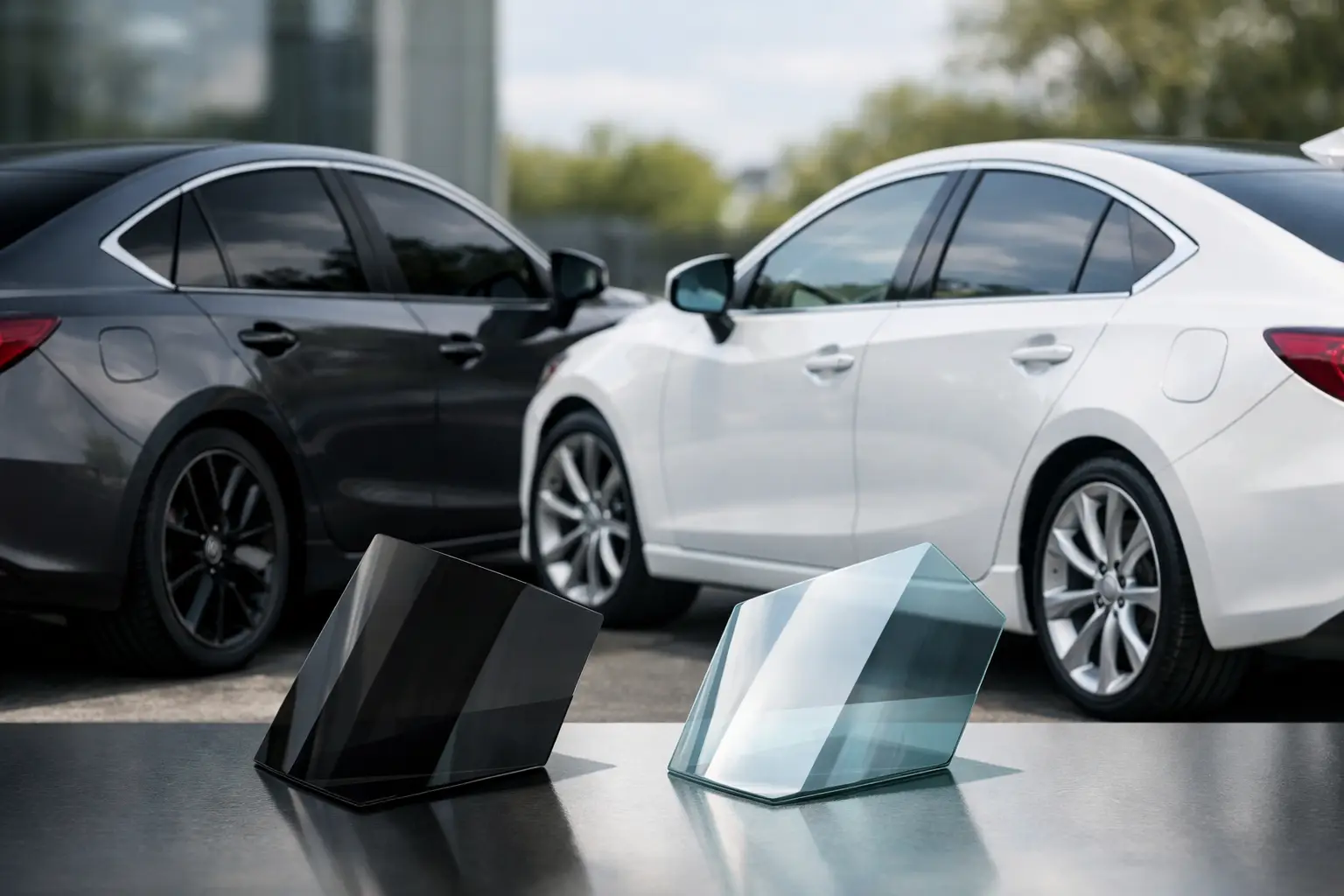
Park your car in an Adelaide summer car park for an hour and you feel the difference the second you open the door. That is usually when the carbon tint vs ceramic tint question becomes real. Most people are not chasing technical jargon. They want cooler cabins, less glare, better UV protection and a tint that looks good for years.
The right choice depends on how you use your car, where you park it, and what matters most to you – upfront cost or top-end performance. Both options sit above basic dyed films, but they do different jobs in slightly different ways.
Carbon tint vs ceramic tint: the real difference
Carbon tint uses carbon-based particles within the film to reduce heat and block UV without the metallic look or signal interference you can get from older metalised products. It is a solid mid-to-premium option for drivers who want a darker, clean finish and dependable performance at a more manageable price point.
Ceramic tint uses non-metallic ceramic particles engineered to reject more heat, especially infrared heat, while keeping visibility clearer than many people expect. It is generally the premium choice. If your priority is maximum comfort, strong glare reduction and high heat rejection without going overly dark, ceramic usually comes out in front.
That does not mean carbon is the budget compromise nobody really wants. For plenty of daily drivers, carbon tint hits the sweet spot. It looks sharp, performs well and gives you a noticeable upgrade over entry-level film.
What carbon tint does well
Carbon tint is popular because it balances appearance, performance and price. It has a rich finish that suits most vehicles, whether you drive a family SUV, a work ute or something a bit more polished for weekends. It also tends to hold its colour better than cheap dyed films, which can fade or turn purplish over time.
From a comfort point of view, carbon tint reduces heat and glare enough that most drivers notice the cabin feels more manageable on hot days. It also blocks harmful UV rays, which helps protect your skin and slows down fading on seats, trims and dash surfaces.
Another practical plus is that carbon film does not interfere with GPS, Bluetooth, mobile reception or radio signals the way some older metallic films can. For modern vehicles loaded with tech, that matters.
Where carbon tint can fall short is in peak heat rejection. It performs well, but ceramic generally performs better, especially if your car spends long hours outside or you do a lot of driving through full afternoon sun.
Where ceramic tint earns its reputation
Ceramic tint is the option people choose when they are serious about comfort. It is designed to reject more solar heat while keeping the cabin brighter and more natural looking from the inside. That can be a big advantage if you want strong performance without making the windows as dark as possible.
This is especially useful for Adelaide drivers dealing with long commutes, school runs, tradie schedules, or cars parked in open driveways and office car parks. The extra heat rejection can make the vehicle feel easier to live with day after day, not just slightly better in the first week after installation.
Ceramic film also offers excellent UV protection and glare reduction. On premium vehicles, it is often the preferred match because it gives a refined result rather than just a darker one. If you care about visibility, comfort and long-term value, ceramic tint usually justifies its higher cost.
The trade-off is simple. It costs more. If your main goal is a neat look and decent heat reduction without stretching the budget, carbon may be all you need.
Heat rejection matters more than most people think
When people compare tint films, they often focus on shade. Darker does not always mean cooler. That is one of the biggest misconceptions around window tint.
A high-quality ceramic film can reject a significant amount of heat while staying at a legal, practical shade. Carbon tint also helps with heat, but ceramic tends to be stronger when the sun is really punishing. If you have ever climbed into a black car with leather seats after work, you already know why this matters.
Better heat rejection can also mean your air conditioning does not have to work as hard to get the cabin comfortable. That does not magically transform fuel use, but it can make the car more pleasant to drive, especially through summer.
Appearance and finish
Both films can look excellent when installed properly. Carbon tint usually gives a deeper, darker finish that a lot of drivers like because it adds privacy and gives the car a cleaner profile. It suits everything from everyday commuters to modified cars.
Ceramic tint can look just as sleek, but the standout feature is not just the exterior look. It is the view from inside the car. Many ceramic films offer a crisp, less hazy appearance, which is handy for drivers who want premium performance without sacrificing outward visibility.
If style is your main priority, both can work. The better question is whether you want the look alone or the look plus the highest-performing film available.
Durability and long-term value
A professionally installed film should not just look good on day one. It should keep doing its job through heat, UV exposure and daily use.
Carbon tint is generally more stable than basic dyed film, which makes it a worthwhile step up if you plan to keep your car for a while. It resists fading better and offers more consistent performance over time.
Ceramic tint tends to sit at the top end for long-term performance. It is built to handle harsh conditions well and maintain its heat-rejection properties without relying on metal or cheap dyes. If you keep your vehicles for years, or you have spent good money on the car and want quality throughout, ceramic often makes more financial sense over the long run than its higher upfront price suggests.
Price: where the decision usually lands
For many drivers, the carbon tint vs ceramic tint decision comes down to budget. That is fair. Tint is a practical upgrade, but it still has to make sense for your car and your household.
Carbon tint is usually the better fit if you want a noticeable improvement in comfort, privacy and UV protection without stepping into premium pricing. It gives strong value and suits a wide range of vehicles.
Ceramic tint is worth considering if you spend a lot of time in your car, carry kids regularly, park outdoors most days, or simply want the best available performance. The extra spend is easier to justify when the car is part of your daily routine rather than just a weekend runabout.
There is no universal right answer here. A hatchback used mainly for short local trips may not need top-tier ceramic film. A family SUV doing school pickups, sport, work commutes and summer road trips might benefit from it every single day.
Which tint is right for your car?
If you want a strong all-rounder with a sharp finish, reliable heat reduction and better affordability, carbon tint is a smart choice. It suits drivers who want quality without overcomplicating the decision.
If you want premium heat rejection, excellent clarity and the best day-to-day comfort, ceramic tint is the stronger option. It is especially well suited to Adelaide conditions, where hard sun and hot interiors are part of normal life for much of the year.
The other factor is how and where the tint is installed. Even the best film will not perform properly if the installation is rushed or poorly finished. Clean edges, correct application and advice on legal tint limits matter just as much as the film itself.
That is why plenty of local drivers prefer a straightforward service approach. You pick what works best for your car, your budget and your schedule. We will handle the rest.
A practical way to decide
If you are still on the fence, think about your last few hot days in the car. Were you mostly annoyed by glare and privacy, or by the cabin feeling like an oven? If it is the first, carbon may be enough. If it is the second, ceramic is probably where you will get the most value.
Good tint should make your car easier to live with every day. Not just darker. Not just nicer looking. Easier, cooler and better protected. Start there, and the right choice usually becomes a lot clearer.