
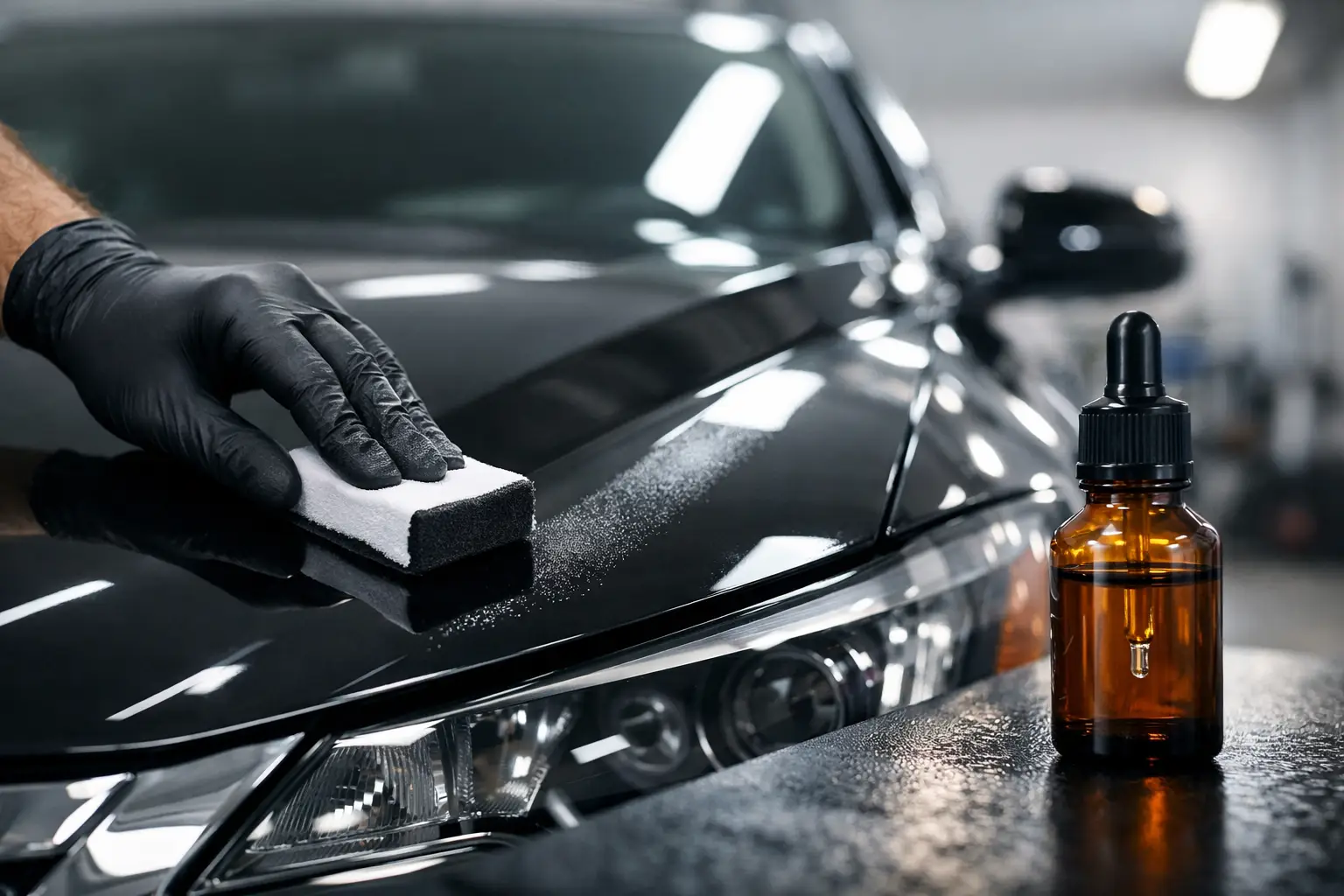
Your car can look brilliant on delivery day and already start wearing the real world a week later. Adelaide sun, road grime, bird droppings, tree sap, washing marks and daily parking all take a toll. That is why people ask, what is paint protection coating, and whether it is actually worth putting on a vehicle they use every day.
The short answer is simple. Paint protection coating is a professionally applied layer that bonds to your vehicle’s exterior surfaces to help protect the paint from common contamination and make ongoing cleaning easier. It is not magic, and it does not make your car invincible, but it can make a noticeable difference to gloss, washability and long-term presentation.
What is paint protection coating and what does it do?
Paint protection coating is a liquid-applied protective layer, usually based around ceramic technology, that cures onto the paintwork. Once cured, it forms a durable barrier over the clear coat. That barrier helps reduce the impact of things that regularly spoil a car’s finish, including UV exposure, chemical contamination, bird mess, bug splatter, light road film and water spotting.
One of the biggest reasons people choose coating is that it changes how the surface behaves. Water beads and runs off more easily. Dirt has a harder time sticking. Washing becomes easier because grime releases faster than it does on untreated paint. On a dark-coloured car especially, that cleaner, glossier look is often the first thing owners notice.
It is also worth being clear about what coating does not do. It does not stop stone chips. It does not prevent scratches from poor washing. It does not mean you can ignore maintenance. If someone drags a bag across the door or you run through a harsh automatic wash, the coating will not save the paint from every mistake.
How paint protection coating works on modern paint
Modern factory paint usually includes a colour layer topped with a clear coat. That clear coat is the surface you see and wash, and it is also the part that gradually dulls, swirls and oxidises over time. A coating sits on top of that clear coat and acts as a sacrificial protective layer.
Because the coating chemically bonds to the surface, it lasts much longer than old-school waxes and many spray-on protectants. Wax tends to sit on the surface and wear away relatively quickly. A proper ceramic coating is designed for longer-term performance when it is applied correctly and maintained properly.
That said, longevity depends on the product, how the car is used, where it is parked and how often it is washed. A daily driver parked outside in full sun will not live the same life as a weekend car kept under cover. So when you hear a coating package quoted in years, treat that as a realistic target under proper care, not a blanket promise that every car will achieve the same result.
Why Adelaide conditions make coating appealing
Local conditions matter more than many people realise. Adelaide vehicles deal with strong UV, dry dust, coastal air in some suburbs and the usual build-up of grime from commuting, school runs and weekend driving. Even a car that is not abused can start to lose that fresh finish simply from exposure.
Paint protection coating helps because it gives the paint another line of defence against those everyday conditions. UV resistance can help slow down fading and oxidation. Easier cleaning matters when dust settles quickly. And if bird droppings or bug residue are cleaned off promptly, the coating can reduce the chance of those contaminants marking the surface as badly as they might on bare paint.
For busy owners, that practical side is often more important than the technical side. If a car is easier to wash, easier to dry and keeps its gloss longer, the vehicle stays presentable with less effort. That is where coating makes sense for families, commuters and professionals who want the car to look looked-after without turning maintenance into a weekend project.
Is paint protection coating the same as wax or polish?
No, and this is where a lot of confusion starts.
Polish is used to improve the paint by removing light defects such as swirls, haze and minor oxidation. It corrects the surface, but it is not a long-term protective layer on its own. Wax adds short-term protection and shine, but it wears off relatively quickly.
Paint protection coating is different because it is designed as a longer-lasting protective layer. In many cases, paint correction is done before coating so the finish looks its best before the surface is sealed in. If the paint already has swirl marks and wash scratches, coating over them will not make them disappear. It can actually lock in the current appearance, which is why preparation matters so much.
What are the real benefits?
The most obvious benefit is appearance. A coated car usually looks glossier, cleaner and sharper, particularly after a proper wash. Colours often appear richer, and the paint has a slicker, more reflective finish.
The second benefit is easier maintenance. Dirt, water and road film do not bond as stubbornly to a coated surface, so washing is generally faster and less frustrating. This is especially helpful for people who want their car to stay tidy between professional cleans.
The third benefit is long-term preservation. A coating helps reduce exposure-related wear on the clear coat, which can support resale presentation and keep the vehicle looking newer for longer. That does not mean coating guarantees resale value, but presentation absolutely matters when a buyer or dealer inspects a vehicle.
What it depends on before you book
Not every car needs the same level of coating service. A brand-new vehicle and a five-year-old daily driver have very different starting points.
If the car is new, the paint may still need decontamination and a light correction before coating. New does not always mean perfect. Dealer handling, transport film, light marring and storage contamination are common.
If the car is older, preparation becomes even more important. Any bonded contamination, swirl marks or dullness should be addressed first if you want the coating to sit over a cleaner, clearer finish. This is one reason coating prices can vary. You are not only paying for the bottle of product. You are paying for the condition assessment, paint prep, application environment and the skill needed to get the result right.
Workshop or mobile application?
This depends on the service, the product and the environment needed for proper curing. Some work is best completed in a controlled workshop setting where lighting, dust and weather can be managed more precisely. In other cases, mobile service can be a very practical option for owners who want convenience without the hassle of rearranging their day.
The key point is not choosing one based on convenience alone. It is choosing the setup that gives the coating the best chance to perform properly on your vehicle. A good provider will explain what suits your car, your location and the package you are considering.
How long does paint protection coating last?
There is no single answer, because product quality, prep work and aftercare all affect the outcome. Entry-level coatings may offer shorter-term protection, while premium systems can last for years with proper maintenance.
But durability claims only mean something when the coating is looked after. Harsh detergents, poor washing methods, infrequent cleaning and constant outdoor exposure can all reduce performance over time. Maintenance coatings or periodic inspections can help keep the surface performing as it should.
If you want the coating to last, simple habits matter. Wash the car properly, remove contaminants quickly, avoid aggressive automatic brushes and stay on top of maintenance rather than waiting until the surface looks tired.
Is paint protection coating worth it?
For some owners, absolutely. If you care about keeping your car cleaner, glossier and easier to maintain, coating can be a smart investment. It is particularly worthwhile for new cars, darker paint colours, higher-value vehicles and anyone planning to keep the car for several years.
For others, it may depend on expectations. If you are hoping for a scratch-proof shell that removes the need for washing, coating will disappoint you. If you want practical protection, easier upkeep and a better-looking finish over time, it usually makes a lot more sense.
That is why the best coating decisions are based on lifestyle, not hype. How you use the car, where you park it, how long you plan to keep it and how much maintenance you are willing to do all matter.
At Rox Auto, that is how we look at it – not as a one-size-fits-all add-on, but as a practical way to help Adelaide drivers protect the vehicles they actually rely on.
A good paint protection coating does not replace care. It makes care easier, and for a lot of car owners, that is exactly the point.