
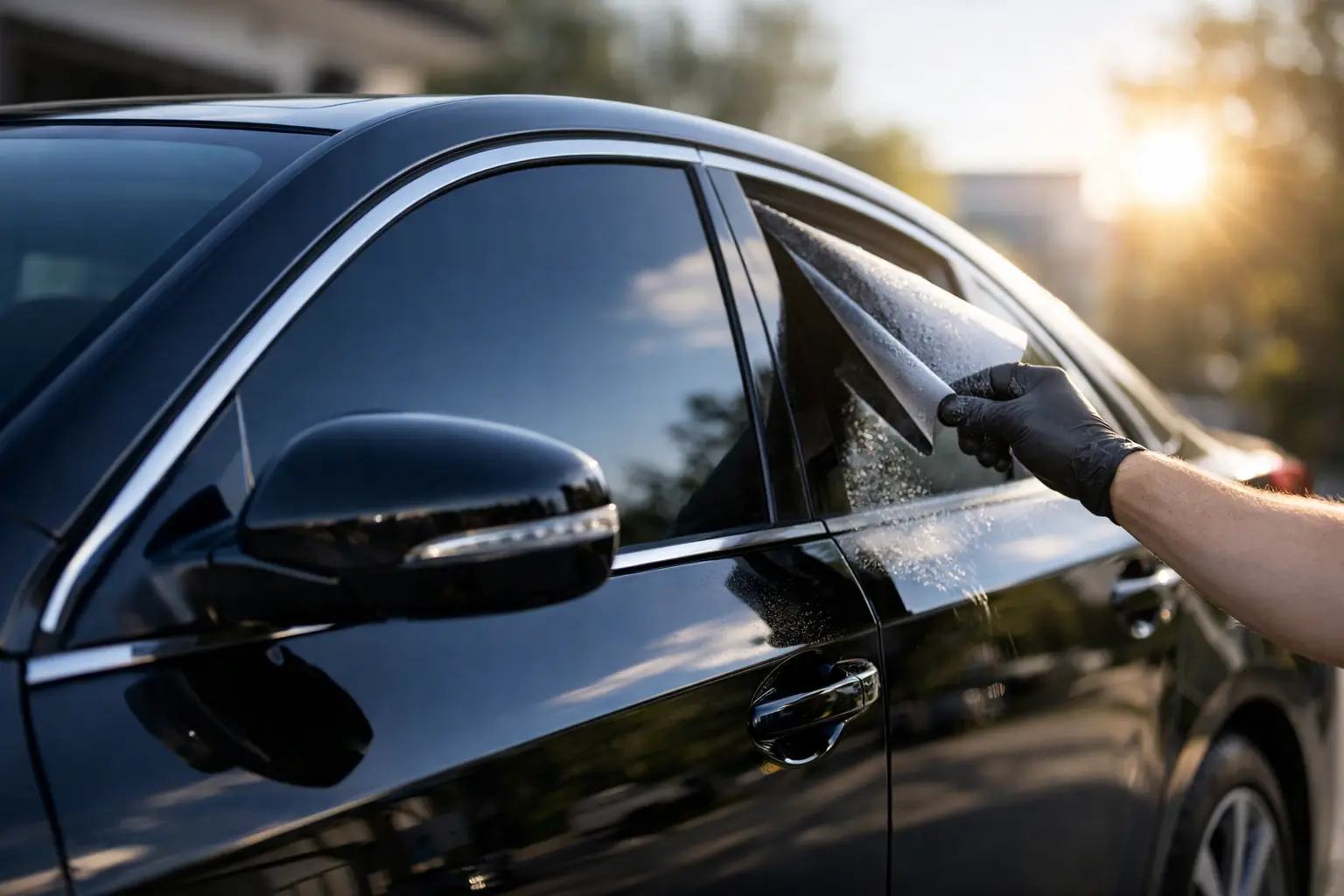
A car parked outside an Adelaide office or school can feel unbearable by mid-afternoon. The steering wheel is hot, the seats are hotter, and the air conditioner has to work hard before the cabin feels comfortable. Professional car window tinting Adelaide drivers choose is one of the most practical ways to reduce that heat while protecting the people and surfaces inside the vehicle.
Good tinting is not simply about making windows darker. The right film can reduce glare, filter UV exposure and help preserve your interior, all while keeping your car looking clean and well finished. The result depends on the film, the installation and whether the tint suits the way you actually use your vehicle.
What quality window tinting does for your car
Adelaide’s bright sun can take a toll on a vehicle that spends hours parked in driveways, car parks or on the street. Window tint creates a protective layer on the glass that helps manage solar heat and blocks a significant amount of ultraviolet radiation. That makes everyday driving more comfortable, particularly for commuters, families and anyone regularly carrying children in the back seat.
Heat reduction is usually the first benefit people notice. With less solar energy entering through the glass, the cabin can feel less harsh when you get in. Your air conditioning may not need to work as hard to bring the temperature down, although tinting is not a replacement for a properly functioning climate-control system.
UV protection matters just as much over time. Direct sunlight can fade upholstery, dry out leather and make plastic trim look tired. Tint film helps limit that exposure, which is useful whether you drive a work ute, a family SUV or a vehicle you intend to keep in excellent condition for years.
Glare reduction is another everyday win. Morning and afternoon sun can make visibility uncomfortable, especially on longer commutes. A well-chosen film reduces harsh brightness without making the view from inside feel overly dark.
Choosing the right car window tinting in Adelaide
The darkest tint is not always the best tint. A film needs to suit your preferences, your visibility needs and the legal requirements that apply to your vehicle. For some drivers, a subtle tint that keeps the cabin bright is ideal. Others want more privacy for rear passengers or a stronger heat-rejection performance for a car that lives outdoors.
Start with how and where you drive
If your car spends most of the day parked in full sun, prioritise heat rejection and UV protection. If you drive early in the morning, late at night or on poorly lit country roads, a lighter film may feel more comfortable. Parents often focus on rear-seat comfort and glare control, while owners of prestige vehicles may be equally concerned with a refined, factory-style finish.
A good installer will talk through these practical details rather than pushing one shade for every car. Film performance is not determined by darkness alone. Two films with a similar appearance can offer very different levels of heat and UV reduction, depending on their construction and technology.
Check that the film is legal for your vehicle
Window tinting must comply with South Australian road rules. The permitted visible light transmission can differ between front and rear windows, and rules can also apply to windscreens and other glass areas. Tint that is too dark can affect visibility and may create problems at inspections or with insurance.
This is where professional advice is valuable. A reputable installer should help you select a legal option rather than leaving you to guess based on how a sample looks indoors. Avoid trying to match a friend’s vehicle by eye. Glass, factory tint and film type can all change the final result.
Look beyond the initial price
Cheap tinting can be tempting, but the difference often shows up later. Low-quality film may fade, turn purple, bubble, peel at the edges or become hazy. Poor installation can leave contamination trapped under the film, uneven edges or gaps around the glass.
Quality film and careful preparation cost more for a reason. The glass needs to be thoroughly cleaned, the film accurately cut and shaped, and the edges properly finished. This work takes patience. It is especially important on newer vehicles with complex window shapes, tight seals and electronic components.
Mobile tinting or workshop installation?
Convenience matters when you are fitting vehicle care around work, family and everything else. Mobile window tinting can be a great option when you have a suitable covered space at home or work. You keep your day moving while the job is completed where the car is parked.
A workshop appointment can be the better choice when weather is unpredictable, the work requires a highly controlled environment or you simply prefer to drop the vehicle off. Dust, wind and rain are not ideal conditions for precision film work, so an honest installer will recommend the setting that gives your vehicle the best result.
At Rox Auto, you can choose mobile service with no travel fee or book into the workshop. You pick what works best. We’ll handle the rest.
What happens during a professional tint installation
The process begins with an inspection of the glass and a discussion about your preferred look and performance needs. The installer will confirm a suitable legal film option, then carefully clean the inside of each window to remove dust, residue and contaminants.
Film is measured and formed to match the glass. It is then applied with a specialised solution and squeegeed into position to remove moisture and air. Small water pockets can sometimes be visible immediately after installation. This is normal while the film cures and should not be mistaken for permanent bubbling.
Most standard vehicles can be tinted within a few hours, though timing varies with vehicle size, window design and the number of windows being completed. Plan ahead if you need the car for school pick-up, work travel or a weekend trip.
Caring for tinted windows after installation
Fresh tint needs time to cure, particularly in cooler conditions. Your installer will give you specific aftercare advice, but the general rule is simple: do not wind the windows down until the film has properly settled. Opening them too early can disturb the edges before adhesion is complete.
Once cured, clean the inside glass with a soft microfibre cloth and an ammonia-free cleaner. Abrasive pads, harsh chemicals and rough paper towels can mark the film over time. Treat the tinted side of the glass as a finished surface, not just another window.
If you notice a small amount of moisture haze shortly after installation, give it time. Drying can take longer in cold or wet weather. If an issue persists after the advised curing period, contact the installer so it can be assessed properly.
Tinting and your vehicle’s long-term appearance
Window tinting works well as part of a broader vehicle protection plan. It helps preserve the interior while paint protection, paint correction and ceramic coating focus on the exterior surfaces exposed to sun, dirt, road film and daily wear. For a newer vehicle, combining these services early can make ongoing maintenance easier. For an older car, tinting can still deliver an immediate comfort and appearance upgrade.
The best approach depends on your vehicle, your budget and how long you plan to keep it. There is no need to overcomplicate it. Start with the issue you feel every day – heat, glare, privacy or fading trim – and choose a film that solves it properly.
Common questions about window tinting
Will tinting make it hard to see at night?
It can if the film is too dark for your driving conditions. A professionally selected legal tint should improve daytime comfort while keeping night-time visibility practical. If you often drive after dark, tell your installer before choosing a shade.
Does factory privacy glass provide the same protection?
Not necessarily. Factory privacy glass can look dark, particularly on rear windows, but its heat and UV performance may differ from quality aftermarket tint film. An installer can assess what is already fitted and explain your options.
Is window tinting worth it on an older car?
Yes, if you want a cooler cabin, less glare and added interior protection. It can also refresh the overall look of a well-kept older vehicle without the cost of major upgrades.
A properly tinted car should feel better every time you open the door on a hot day, not become another thing to worry about. Choose a legal, high-quality film, give it the right curing time, and enjoy the comfort on every Adelaide drive.