
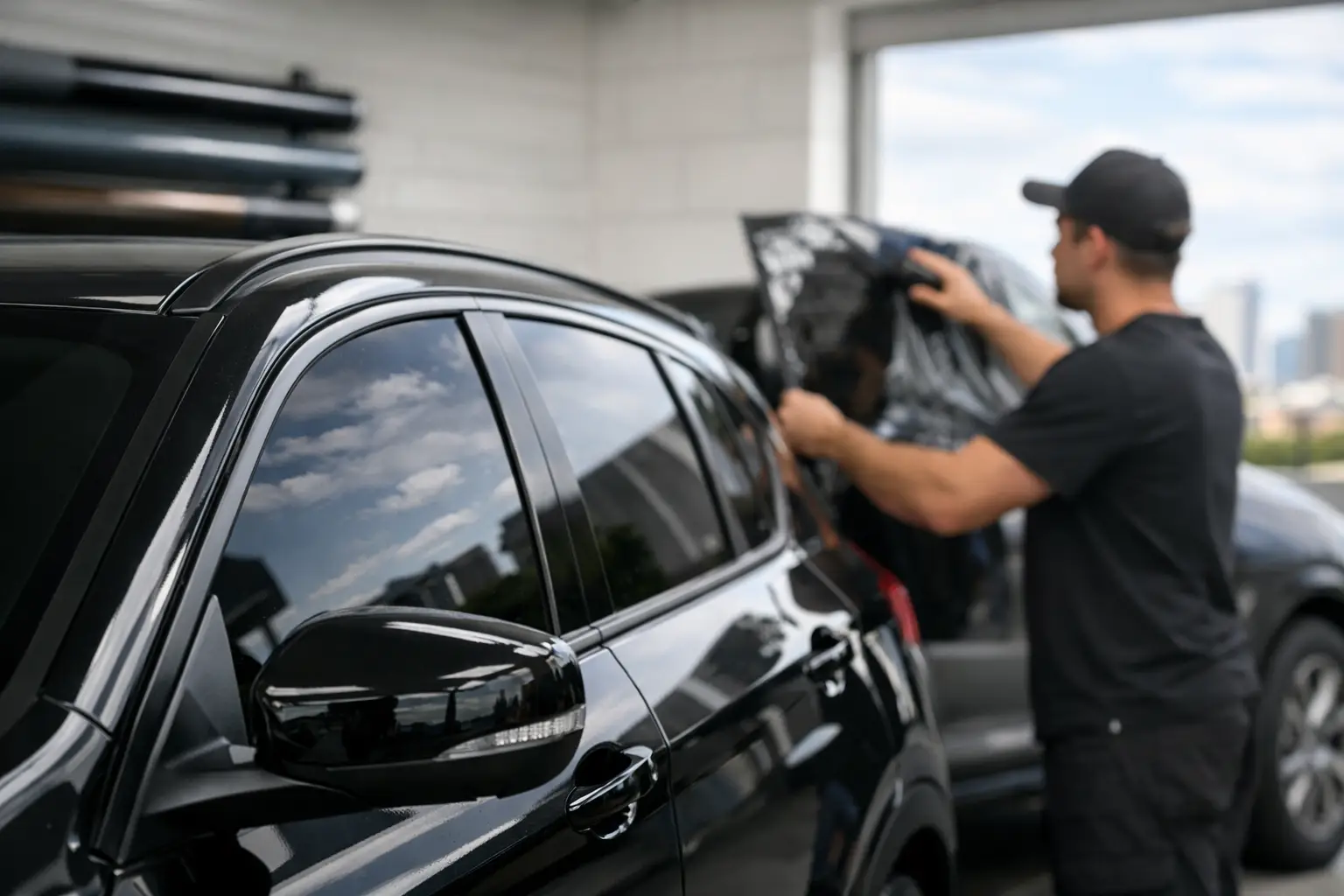
A search for car tint near me usually happens after one of two moments: climbing into a car that feels like an oven after work, or noticing just how hard Adelaide sun is on an interior. Window tinting can make every drive more comfortable, reduce glare and help protect the materials you see and touch every day.
But tint is not simply a matter of choosing the darkest film on a chart. The right result depends on legal limits, the quality of the film, the condition of your glass and whether the installation environment suits your vehicle. A good tint job should look clean, feel practical and keep performing long after the first week.
Car tint near me: start with the right questions
A nearby installer is useful, especially when you want a straightforward booking and local support if you have questions after the job. Still, proximity alone should not decide it. Ask what film options are available, whether the installer works mobile and in a workshop, how long the appointment takes, and what aftercare is required.
It is also worth asking where the work will be done. Mobile tinting is ideal for busy households, office workers and anyone who would rather not give up a day arranging lifts. You can have the vehicle tinted where it is already parked, provided there is enough room to work safely and the conditions are suitable.
A workshop appointment can be the better choice when weather is poor, there is heavy wind or dust around, or your car needs more involved preparation. The goal is not to force one option on every customer. It is to choose the setting that gives your vehicle the clean, professional finish it deserves.
What window tint actually does for your car
Quality automotive window film is a practical upgrade, not just a cosmetic one. It reduces the amount of solar heat entering the cabin, which can make a real difference during Adelaide summers. Your air conditioning does not have to work as hard to bring the temperature down, and passengers in the back are generally more comfortable on longer trips.
Tint also helps block UV exposure. That matters for people in the vehicle, but it matters for the vehicle itself too. Sunlight can fade upholstery, dry out trim and leave dashboards looking tired before their time. A quality film helps reduce that ongoing exposure while keeping the cabin brighter and more usable than many people expect.
Glare reduction is another benefit that is easy to appreciate once you have it. Low afternoon sun, reflections off wet roads and headlights at night can all be distracting. Tint will not replace safe driving habits or sunglasses when needed, but the right shade can take the edge off harsh light.
Privacy is part of the appeal as well. Darker rear glass can make it harder for people to see valuables, child seats or work gear inside your vehicle. It is a useful extra layer of discretion, although it should never be treated as a substitute for keeping valuables out of sight.
Legal tint limits in South Australia
Before choosing a shade, make sure it is legal for your vehicle. Window tint rules are based on visible light transmission, often called VLT. This is the percentage of visible light that can pass through the glass and film together. The lower the percentage, the darker the finished window.
For most passenger vehicles in South Australia, front side windows need to allow at least 35% VLT. Rear side windows and the rear window can generally be darker, with a minimum of 20% VLT. Windscreen tinting is tightly restricted, apart from a compliant top strip.
There is an important catch: your vehicle glass already has a level of tint from the factory. A film labelled 35% does not automatically mean the final result is 35% VLT once it is applied to factory glass. A professional installer should account for the combined reading, not just the number printed on the film box.
If you own a ute, van, imported vehicle or a car with unusual factory privacy glass, confirm the legal outcome before installation. The best-looking tint is not worth the hassle of a defect notice, a failed inspection or reduced visibility where you need it most.
Choosing a film shade that suits how you drive
Dark tint is popular, but darker is not always better. The front windows are where you need to balance heat reduction and privacy with clear visibility at intersections, in underground car parks and on wet nights. For many drivers, a legal medium shade on the front and a darker legal option on the rear creates a sensible, even look.
Your daily routine should guide the choice. A commuter who parks outside all day may prioritise heat rejection. A family vehicle may benefit from stronger rear protection for children and passengers. If you regularly reverse in low light or drive country roads at night, keeping the glass lighter can make more sense.
Colour also matters. Most modern tint films are available in neutral charcoal tones that suit almost any paint colour and interior. The finished look should complement the car rather than turn it into a distraction. A good installer can show you practical options and explain how each one will look once it is on your vehicle.
Film quality matters more than a dark finish
Two films can look similar on day one and perform very differently over time. Lower-grade film may fade, turn purple, bubble, lift around edges or lose its adhesive bond. Replacing failed tint means paying for removal, cleaning and installation all over again, so the cheapest quote is not always the better value.
Better-quality automotive films are designed for stable colour, reliable heat and UV performance, and a cleaner finish. Some advanced films can reject more heat without needing to be extremely dark. This is a good option for drivers who want a lighter, legal appearance but still want meaningful comfort benefits.
Ask about the warranty and what it covers. Clear answers around film performance, bubbling, peeling and discolouration are a positive sign. You should also be told what the film needs during the curing period, rather than being sent away with no guidance.
What a professional installation should look like
Professional tinting starts with preparation. The inside of each window needs to be thoroughly cleaned, including edges, seals and areas where old residue can interfere with adhesion. The film is then precisely cut, shaped and applied to suit the glass.
Small water pockets or a slightly hazy appearance can be normal immediately after installation. Tint film cures over time, and the exact period depends on the weather, the film and the vehicle. Avoid winding down the windows until you have been advised it is safe to do so. During warmer weather, curing is often faster, but patience still gives the adhesive the best chance to settle correctly.
A quality job should have neat edges, consistent coverage and no obvious contamination trapped under the film. Complex rear windows, especially those with strong curves or demister lines, take skill and care. If a quote feels unusually cheap, find out whether the installer is allowing enough time for proper preparation and finishing.
Mobile or workshop tinting: which is better?
Neither is automatically better. It depends on your parking area, your schedule and the conditions on the day. Mobile service is a strong fit if you have a sheltered driveway, garage, workplace bay or another suitable area where the vehicle can remain undisturbed. It saves travel time and lets you get on with your day.
Workshop tinting gives the installer a more controlled environment. It can be the smarter option when rain, wind, nearby construction dust or limited space could affect the job. It is also convenient if you are pairing tint with paint correction, ceramic coating or other appearance work.
At Rox Auto, the approach is simple: you pick what works best for your schedule and vehicle, and we handle the rest. Mobile appointments come with no travel fee, while workshop availability gives you another practical option when controlled conditions are the right call.
Before you book, focus on value rather than just price
A quote should make it clear what is included. Check whether all legal windows are covered, what type of film is being used, whether old tint removal is required, and whether the price includes mobile travel. These details matter more than a headline figure that looks good but leaves out the work your car actually needs.
It also helps to book before the hottest stretch of summer if you can. Tinting is useful year-round, but you will appreciate the difference most when the sun is high, the car has been parked outside and the cabin would otherwise take ages to cool down.
The right tint should make your car easier to live with every day. Choose a legal shade, quality film and an installer who is clear about the process. Then you can step back into your car after a long Adelaide afternoon knowing it is better protected, more private and far more comfortable.