
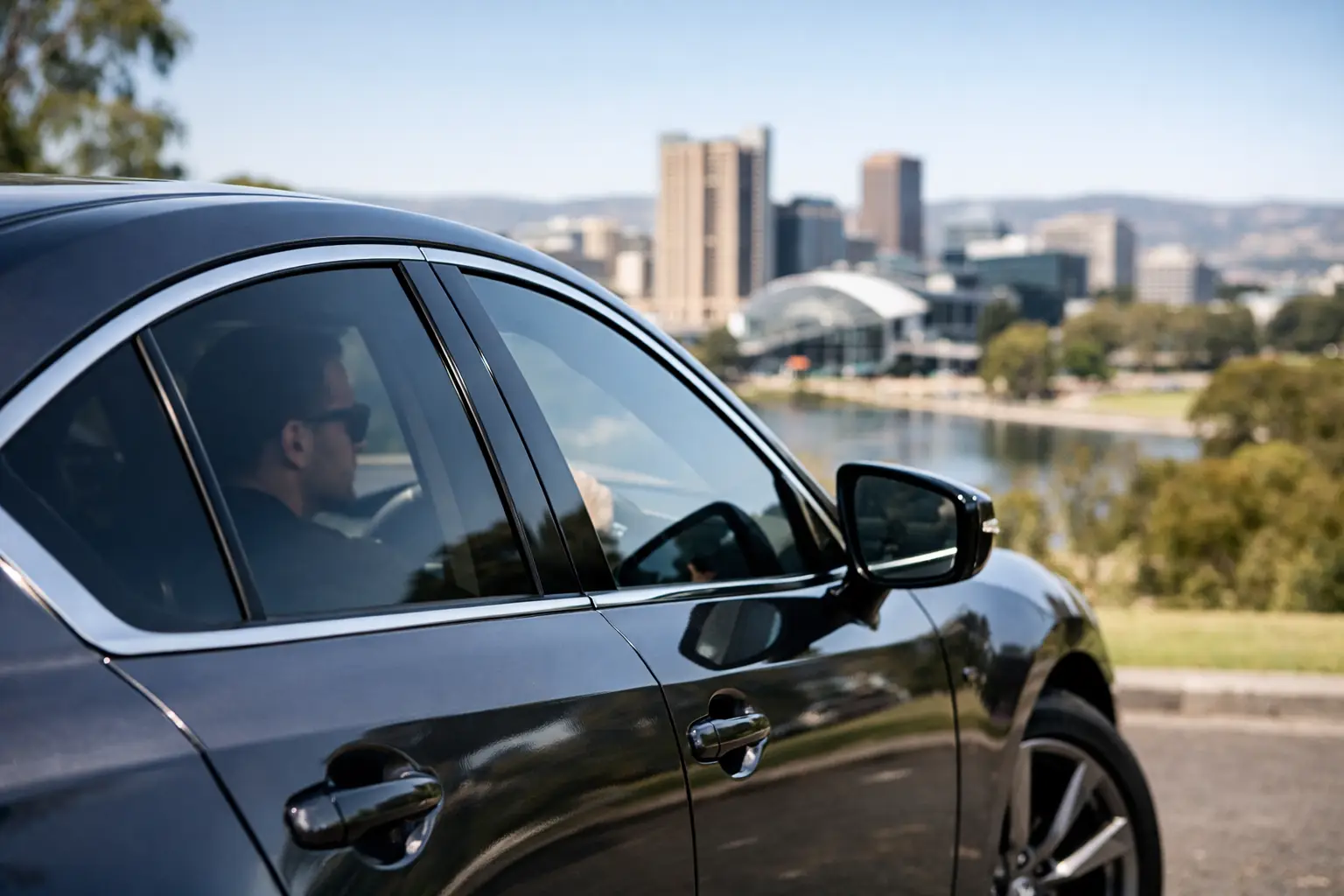
Park a car in Adelaide sun for an hour and the difference is obvious the moment you open the door. Ceramic window tint Adelaide drivers choose is designed to reduce that heat load without making the cabin feel dark, closed in or difficult to see out of. For daily commuters, families and anyone who spends time behind the wheel, it is a practical upgrade that makes every trip more comfortable.
Ceramic tint is often talked about as the premium option, but the right choice depends on your car, where it is parked and what you want from the film. If heat rejection, clear visibility and long-term performance matter to you, it is worth a closer look.
What makes ceramic window tint different?
Window films are not all made the same. Entry-level dyed films primarily darken the glass and can help with glare, while metalised films can reflect some heat but may affect electronic signals in certain vehicles. Ceramic tint uses non-metallic ceramic particles within the film to block a larger portion of solar heat and UV exposure.
The practical benefit is that ceramic film can reject infrared heat while still maintaining good optical clarity. You do not have to choose the darkest legal-looking film simply to get a more comfortable cabin. That matters on Adelaide roads, where bright sun, long summer days and cars parked outdoors can turn a short drive into an uncomfortable one.
Because ceramic tint is non-metallic, it is also a strong option for modern vehicles that rely on GPS, mobile reception, Bluetooth, keyless entry and in-car connectivity. The film is engineered to protect and perform without creating unnecessary interference.
The benefits Adelaide drivers notice first
The first benefit most people feel is reduced cabin heat. Tint will not replace air conditioning, particularly when a vehicle has been sitting in direct sun, but a quality ceramic film can reduce the amount of solar energy entering through the glass. Your air conditioner has less work to do, and the cabin can cool down faster once you get moving.
Glare reduction is another everyday win. Low morning sun, late afternoon traffic and reflections off wet roads can make driving tiring. A suitable tint shade softens harsh light while retaining a clear view of the road, mirrors and surrounding traffic.
Ceramic tint also helps protect the parts of your car that cop the most sun. Over time, UV exposure can fade upholstery, dry out leather, damage trim and make dashboards look tired. Window film adds another layer of defence for the interior you have paid for, whether it is a work ute, family SUV or a vehicle you plan to keep in top condition.
There is a privacy benefit too, although privacy should not be the only reason to choose a very dark film. Tint can make it harder for people to see loose items inside your vehicle, but safe driving visibility and legal compliance always come first.
Ceramic window tint Adelaide options: choosing the right shade
A common mistake is treating tint darkness as a measure of quality. It is not. Visible Light Transmission, often called VLT, refers to how much visible light passes through the glass and film. A lower VLT looks darker, while a higher VLT allows more light through.
The best shade comes down to how you use your car. A driver who regularly travels before sunrise, at night or on unlit country roads may prefer a lighter film that improves comfort without reducing visibility too much. Someone whose vehicle spends all day in an exposed car park may prioritise maximum heat rejection, particularly on the rear windows.
It is also important to account for factory privacy glass. Many SUVs and wagons have darker rear glass from the factory, but it may not offer the heat performance of a quality ceramic film. Adding film can improve heat and UV reduction, although the final appearance and light transmission need to be assessed properly.
South Australian tint rules apply to passenger vehicles, and those rules are based on light transmission rather than how dark the film looks at first glance. Front side windows have stricter requirements than rear windows, and windscreens have limited allowable tint areas. A professional installer will assess the existing glass, recommend a compliant film and avoid a finish that could cause problems at a roadside check or vehicle inspection.
Is ceramic tint worth the extra cost?
For plenty of Adelaide car owners, yes. Ceramic tint generally costs more than basic film because of the materials and heat-rejection performance involved. The question is whether those benefits match the way you use your vehicle.
It is often a smart investment if you drive most days, park outside at work, carry children, own a darker-coloured car that heats up quickly, or want to preserve a newer vehicle’s interior. The improved comfort is not limited to the hottest days either. Less glare and less reliance on air conditioning can make ordinary commuting more pleasant year-round.
A standard tint may still be the better fit if you are working to a tight budget, your car is usually garaged, or you simply want a cleaner appearance and modest glare reduction. There is nothing wrong with choosing a more affordable film when it meets your needs. What matters is getting a quality installation, realistic advice and a film that suits your vehicle.
Professional installation matters as much as the film
Even the best ceramic film will disappoint if it is poorly fitted. Window tinting requires careful glass preparation, accurate cutting and controlled application. Dust, rushed handling and poor edge finishing can lead to contamination, visible imperfections or lifting around the edges.
A professional tint installation starts with clean glass and a thorough check of the windows. The installer should consider window seals, dot-matrix areas, factory glass tint and the best film option for each section of the vehicle. Some windows are more complex than others, especially curved rear glass and vehicles with tight door seals, so experience makes a real difference to the final result.
After installation, the film needs time to cure. Small water pockets or a slightly hazy look can be normal during the curing period as moisture evaporates from beneath the film. Avoid winding the windows down until advised, and do not judge the finish too early. Adelaide weather, temperature and humidity can all affect curing times.
Mobile or workshop tinting: which works best?
Convenience matters, particularly when your car is your transport to work, school drop-off or weekend plans. Mobile window tinting can be an excellent option when there is a clean, sheltered space available at home or the office. It saves you from rearranging your day, and there is no reason a mobile appointment should mean cutting corners.
A workshop appointment can be the better choice when conditions outside are dusty, windy, wet or too exposed. A controlled environment gives the installer the best chance of keeping the glass and film clean, which is especially valuable for a premium ceramic tint finish.
At Rox Auto, you can choose the option that works for your schedule and vehicle. Mobile service is available without a travel fee, while workshop appointments suit customers who prefer the controlled conditions of an indoor installation. The aim is simple: professional results without making vehicle protection hard to organise.
Looking after newly tinted windows
Once the film has fully cured, tint is low maintenance. Clean the inside of the glass with a soft microfibre cloth and an ammonia-free glass cleaner. Avoid abrasive pads, harsh chemicals and scraping at the edges of the film.
If you notice an issue after curing, address it early rather than trying to press, cut or lift the film yourself. A quality installer should stand behind their workmanship and explain what is normal during the first few days.
The best ceramic tint is the one that suits your driving, stays compliant and is fitted with care. If Adelaide heat, glare and fading interiors are making your car less enjoyable, a professional assessment can give you a clear answer on the right film and shade – then you can get back to driving in comfort.