That fresh, glossy look doesn’t last long on an Adelaide car if it lives outside, clocks up freeway kilometres, or does the school run every day. Ceramic paint protection Adelaide drivers choose is really about keeping paintwork easier to manage in harsh sun, road grime, bird droppings and regular washing – without turning car care into a weekend job.
Some owners come in wanting showroom gloss. Others just want their daily driver to stay cleaner for longer and be less painful to wash. Both are valid. The right coating depends on how you use the car, where it’s parked, and how much long-term protection matters to you.
What ceramic paint protection actually does
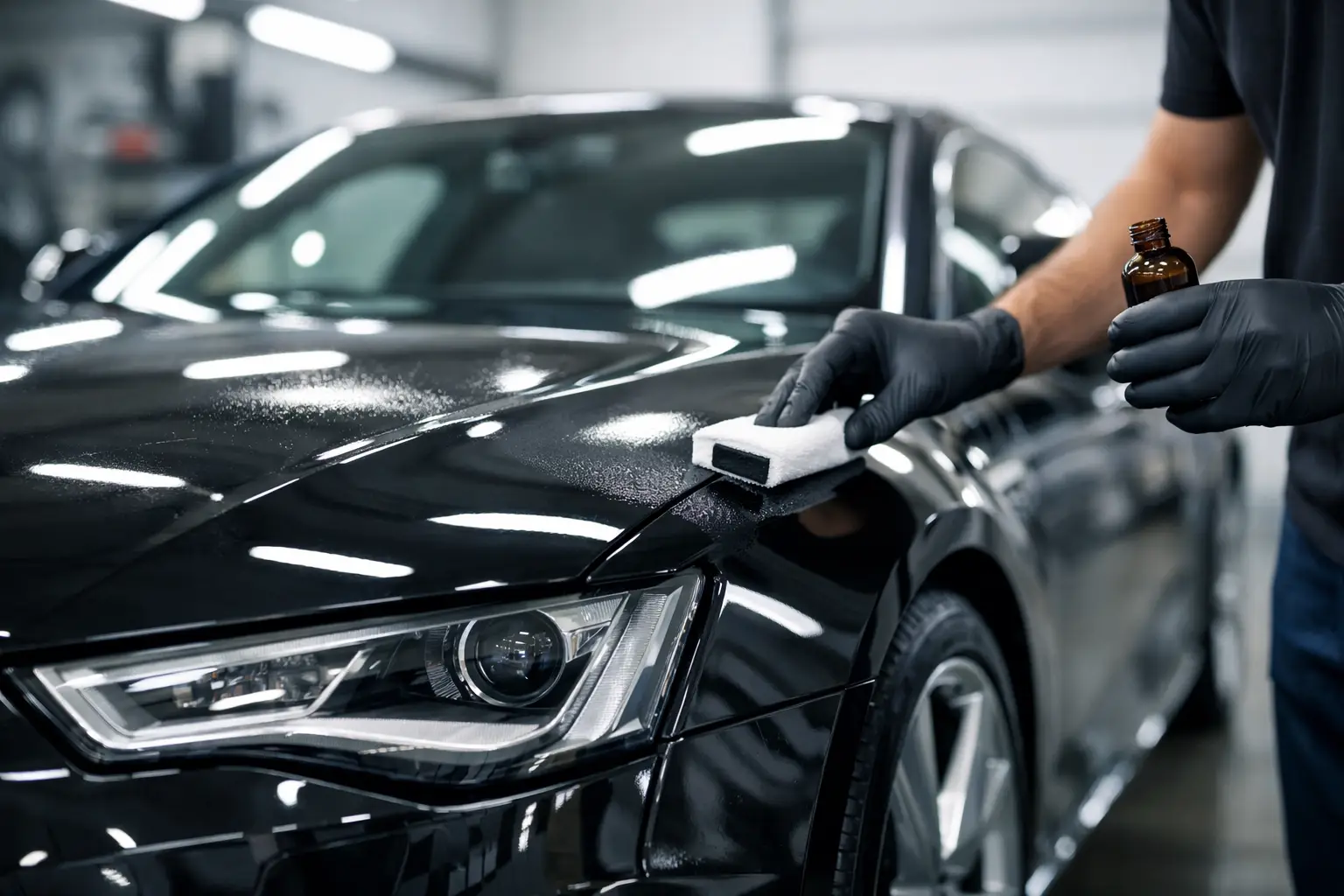
Ceramic coating is a liquid-applied protective layer that bonds to the vehicle’s exterior surfaces. Once cured, it forms a durable barrier that helps reduce how strongly contaminants stick to the paint. That means water beads better, washing is easier, and the surface keeps a cleaner, glossier look with less effort.
What it does not do is make your car indestructible. A ceramic coating won’t stop stone chips, prevent scratches from poor washing, or fix faded paint that already needs correction. If the paint has swirl marks, oxidation, or dull patches, those issues should be addressed before coating goes on. The coating locks in the condition underneath, so prep matters just as much as the product itself.
That’s why professional application makes a difference. Good ceramic protection starts with proper washing, decontamination and, where needed, paint correction. Skip that, and even a premium coating won’t deliver the finish people expect.
Why ceramic paint protection in Adelaide makes sense
Adelaide conditions are tough on paint. Long stretches of sun, high UV exposure, dry dusty days, coastal air in some suburbs, tree sap, bird mess and everyday traffic grime all add up. Even a newer vehicle can lose that crisp, deep finish faster than many owners realise.
Ceramic paint protection in Adelaide helps because it adds a sacrificial layer between the environment and your paint. UV exposure still exists, but coatings can reduce how quickly surfaces degrade and lose their shine. Dirt and grime don’t bond as aggressively, which means less scrubbing during washes. That alone helps lower the risk of wash-induced marks over time.
For drivers who park outdoors at work, leave the car in the driveway, or spend plenty of time on Adelaide roads, that practical benefit matters more than marketing terms. A protected car is usually easier to maintain, and that saves time as much as it protects appearance.
Who gets the most value from it
Ceramic coating isn’t only for prestige cars and weekend toys. It suits busy professionals who want low-maintenance shine, families trying to keep the second-largest purchase in good condition, commuters dealing with daily dust and traffic film, and enthusiasts who want to protect corrected paint properly.
It can be especially worthwhile if you’ve just bought a new car. Applying protection early helps preserve the finish before washing marks, fallout and weathering start building up. On an older vehicle, it still makes sense, but results depend heavily on the paint’s current condition and whether correction is needed first.
That’s one of the main trade-offs. If the car is already heavily swirled or neglected, the total job may involve more prep time and cost. The upside is that once the paint is corrected and coated, maintaining it becomes much easier.
What to expect from a professional coating service
A proper ceramic coating service should never be just a quick wipe-on job. The process usually starts with a detailed wash and decontamination to remove built-up grime, iron fallout and bonded contaminants. From there, paint is assessed under lighting to check for swirl marks, light scratches and dullness.
If correction is needed, machine polishing is used to improve gloss and clarity before the coating is applied. This step can make a dramatic difference, because ceramic coating looks best on paint that has already been properly refined. Once prep is complete, the coating is applied carefully, levelled correctly and allowed to cure.
Some vehicles are best handled in a workshop-controlled setting, especially where curing conditions matter or the paint needs more involved correction. In other cases, mobile service is a practical option for owners who want convenience without losing professional results. The right setup depends on the condition of the vehicle, the coating package chosen and the environment available on the day.
Choosing the right package
Not every car needs a top-tier, long-duration package. Some owners want a solid entry point that improves gloss and makes washing simpler. Others plan to keep the vehicle for years and want stronger long-term protection across paint, wheels and exterior surfaces.
That’s why clear package options matter. The best choice usually comes down to three things – how long you plan to keep the car, how much correction it needs before coating, and how hands-on you are with maintenance. A daily driver with average use may be well served by a practical mid-range package. A new car or enthusiast-owned vehicle may justify a more premium option.
The key is not overbuying or under-protecting. A shorter-term coating can still be worthwhile if it fits your budget and expectations. A premium package makes sense when you want the strongest durability, the best finish and a more complete protection plan.
Maintenance still matters
One of the biggest misconceptions around ceramic coating is that it removes the need to wash your car properly. It doesn’t. What it does is make maintenance easier and safer when done the right way.
A coated vehicle still needs regular washing to prevent grime build-up. The difference is that contaminants release more easily, so you spend less time fighting the surface. Gentle washing methods, quality products and avoiding automatic brush washes will help the coating last and keep the finish looking its best.
For some owners, maintenance packages make good sense because they take the guesswork out of aftercare. That can be particularly useful if you’ve invested in correction and a longer-term coating and want to protect that result properly.
Common questions Adelaide drivers ask
The first question is usually about durability. The honest answer is that it varies. Product quality, prep work, storage conditions, kilometres travelled, wash habits and exposure to the elements all affect lifespan. A professionally applied coating will generally outperform DIY options because surface prep and application standards are much better.
Another common question is whether ceramic coating is better than waxing. For most drivers, yes – especially if convenience and longevity matter. Wax can still add gloss, but it doesn’t generally last as long or offer the same level of chemical resistance and easy-clean behaviour.
Then there’s the question of whether mobile service affects quality. It depends on the job and the conditions available. Straightforward protection work can often be completed effectively on-site, while more advanced correction and coating jobs may suit a controlled workshop environment better. Flexibility matters, but so does choosing the right setup for the result you want.
Is ceramic paint protection worth it?
If you expect it to stop every scratch, probably not. If you want your car to stay glossier, clean up more easily and hold its appearance better through Adelaide conditions, it usually is. The value comes from reduced maintenance hassle, stronger surface protection and a finish that keeps looking cared for.
It also helps protect resale presentation. Buyers notice when paintwork looks tired, swirled or neglected. They also notice when it looks sharp, reflective and well maintained. Ceramic coating won’t replace regular care, but it makes that care much easier to stay on top of.
For Adelaide drivers who want practical protection without unnecessary fuss, ceramic coating is one of the smartest upgrades you can make to your vehicle’s exterior. If you can choose a service that fits around your day, whether that means mobile convenience or workshop-based application, the whole process becomes even easier. You pick what works best. The rest should feel straightforward.