A lot of car owners ask the same thing after buying a new vehicle or booking a detail – what’s the real difference between paint protection vs ceramic coating? Fair question, because those terms get thrown around like they mean the same thing. They don’t always.
If you just want your car to stay glossier, cleaner and easier to wash, the right answer depends on how you use the vehicle, where it lives, and how long you want the protection to last. A daily driver parked outside in Adelaide has different needs from a weekend car that spends most of its time under cover.
Paint protection vs ceramic coating: what do these terms actually mean?
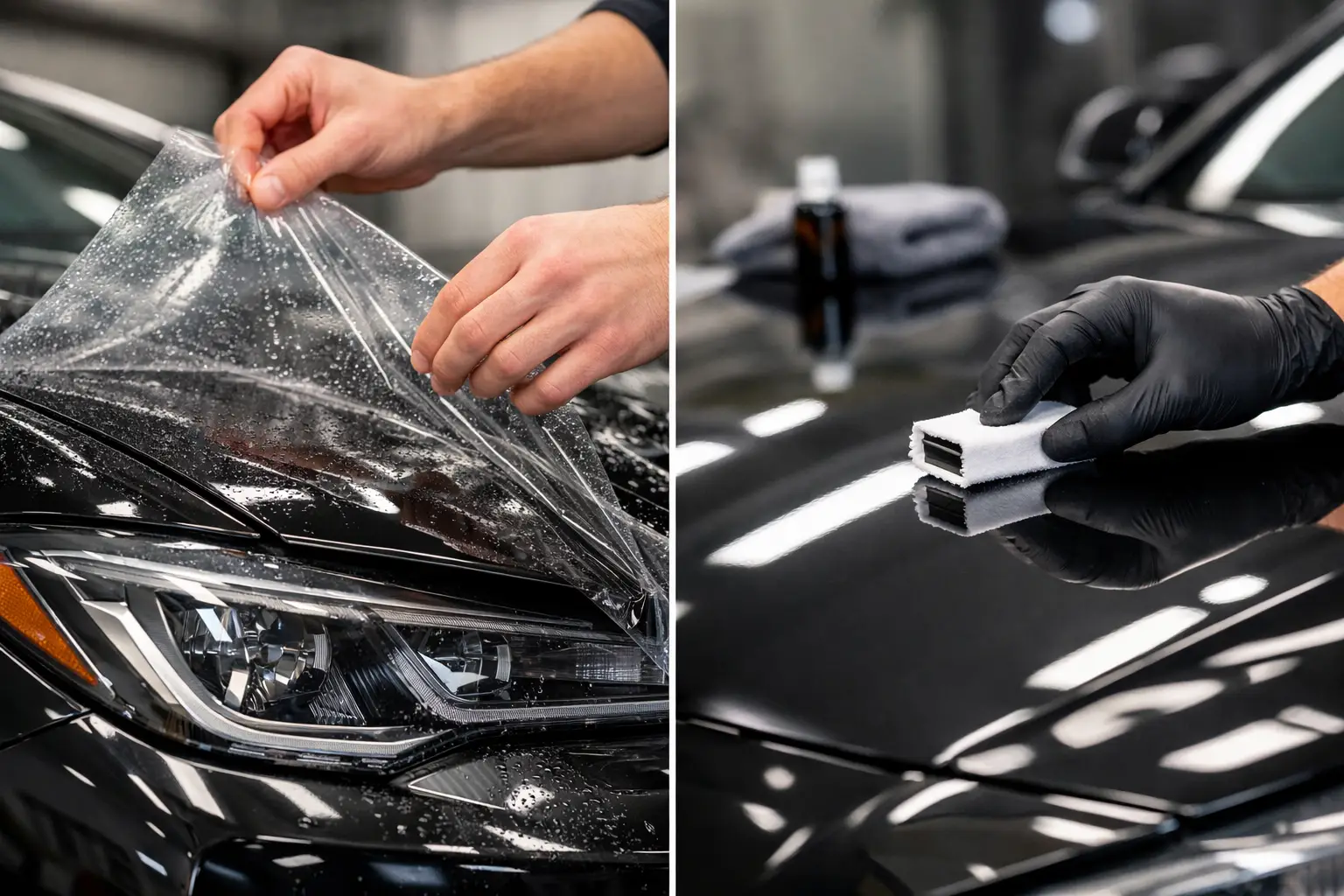
Paint protection is the broader term. It covers products and services designed to help protect your vehicle’s painted surfaces from weather, UV exposure, bird droppings, road grime, tree sap and general wear. That can include waxes, sealants, paint protection films, and ceramic coatings.
Ceramic coating is one type of paint protection. It’s a liquid-applied protective coating that bonds to the surface and forms a durable barrier over your clear coat. Done properly, it adds gloss, improves water behaviour, makes washing easier and helps reduce the effect of contaminants sitting on the paint.
So if you’re comparing paint protection vs ceramic coating, the simplest way to look at it is this: ceramic coating sits inside the paint protection category. The real decision is usually not whether you want paint protection or ceramic coating. It’s which type of paint protection suits your car, your budget and your expectations.
Why the difference matters more than the label
A lot of disappointment happens because people buy based on the phrase, not the result. Someone hears “paint protection” and assumes it means their paint can’t be scratched. Someone else hears “ceramic coating” and expects zero maintenance for five years. Neither is realistic.
Good protection helps your paint stay in better condition for longer, but it doesn’t make the car indestructible. Automatic car washes can still mark the surface. Stones can still chip the front end. Poor wash habits can still create swirl marks. Even the best coating is there to reduce wear and make maintenance easier, not replace careful ownership.
That’s why a proper conversation matters. Before recommending anything, a professional should be looking at the condition of the paint, how the car is stored, how often it’s washed and what kind of finish you want to maintain.
What basic paint protection usually includes
When many people say paint protection, they’re talking about more traditional protection products like synthetic sealants or dealer-applied protection packages. These can offer a decent level of short to medium-term defence, especially for drivers who want an entry-level option.
A basic paint protection service generally focuses on adding a sacrificial layer over the paint. That layer can help with UV exposure, water beading and surface contamination. It may also improve gloss, although the look depends heavily on how well the paint was prepared beforehand.
The upside is cost. These options are often more affordable upfront and can suit cars where the owner wants a cleaner finish without stepping into a long-term coating package.
The trade-off is durability. Basic protection usually doesn’t last as long as a professional ceramic coating, and it tends to need more frequent reapplication. If your car sits outside all day, copes with harsh sun, or racks up kilometres on the motorway, that shorter lifespan becomes more noticeable.
What ceramic coating does differently
Ceramic coating is designed to be a more durable, higher-performing protective system. Once applied to properly prepared paint, it bonds to the surface and creates a harder-wearing layer than wax or many sealants.
In practical terms, that means the car is easier to clean, less likely to hold onto grime, and better protected against environmental fallout. Water tends to bead and run off more effectively. The surface often stays glossier for longer too, which is a big reason people choose it.
For Adelaide drivers, UV resistance is a genuine benefit. Strong sun can wear down unprotected paint over time, especially on vehicles parked outside at work or at home. A ceramic coating helps reduce that exposure and supports better long-term appearance.
What it does not do is stop stone chips, deep scratches or careless washing damage. If physical impact protection is the goal, that’s where paint protection film enters the conversation, not ceramic coating.
Preparation matters more than most people realise
This is the part many ads skip over. The coating itself matters, but surface preparation matters just as much.
If a ceramic coating is applied over swirl marks, light scratches, haze or contamination, those flaws don’t disappear. In some cases, they can become more obvious because the coating adds gloss and clarity. That’s why paint correction is often recommended before a premium coating is applied.
A rushed job can leave you with protection over imperfect paint. A properly prepared job gives you both a better finish and better bonding. That’s one reason professional application usually delivers stronger long-term value than a quick off-the-shelf solution.
Paint protection vs ceramic coating on cost
Price is often where people pause, and that makes sense. Ceramic coating usually costs more upfront than a standard paint protection treatment. There’s more product performance involved, but there’s also more labour, especially if the vehicle needs decontamination and paint correction first.
That higher initial cost can still make sense if you plan to keep the car for years and want lower maintenance, stronger gloss retention and longer protection. If you change vehicles regularly or just want a tidy finish at a lower price point, a simpler protection option may be enough.
This is where package structure helps. Some drivers want a practical entry-level service. Others want a long-term coating with paint correction and scheduled maintenance. Neither option is automatically better. It comes down to ownership goals.
Which option suits your car best?
If your vehicle is a family SUV, commuter hatch, work ute or daily sedan that lives a hard-working life, ceramic coating can be a smart choice if you want easier maintenance and stronger long-term protection. It suits busy owners who don’t have time to constantly polish, reapply products or fight stubborn grime every wash.
If the car is older, the budget is tighter, or you’re after a shorter-term improvement without committing to a premium package, traditional paint protection can still be worthwhile. It gives you a cleaner, glossier surface and a level of defence against the elements without stretching the spend too far.
For higher-end vehicles, new cars and enthusiast-owned cars, ceramic coating is usually the stronger fit because it helps preserve appearance more consistently over time. But even then, the paint condition has to be addressed properly first.
The maintenance side of the decision
One of the biggest myths in paint protection vs ceramic coating is that a coating means you can forget about maintenance. You can’t. Protected paint still needs washing, drying and occasional decontamination.
The difference is that maintenance becomes easier and more forgiving when the right product has been professionally applied. Dirt releases more easily. Water spotting is simpler to manage if you stay on top of it. The car tends to hold that freshly detailed look for longer between washes.
If you know you’re unlikely to maintain the vehicle properly at all, spending on a premium coating may not give you the result you’re expecting. Protection works best when it’s paired with decent wash habits and regular care.
So which one is better?
If you’re speaking strictly in performance terms, ceramic coating is generally the better option than basic paint protection products. It lasts longer, looks better for longer, and makes ongoing maintenance easier.
But “better” is not always the same as “better for you”. A more affordable paint protection service can still be the right call if your goals are modest, your ownership period is short, or the vehicle simply doesn’t need a premium solution.
The right choice is the one that fits how you actually use the car. Not the one with the flashiest label.
For most drivers, the best starting point is a proper assessment of the paint and a clear idea of what you want from the service. If convenience matters as much as results, that matters too. A good protection service should fit your routine, not complicate it. That’s why many Adelaide owners choose solutions that work around home, work and workshop bookings, because getting the job done properly should feel straightforward.
If you’re deciding between the two, think less about the marketing term and more about the outcome you want every time you walk back to your car in a car park – cleaner paint, better gloss, easier upkeep and protection that matches the way you drive.